Scenery without a long hike
Choose somewhere with easy road access, a short walk and time to return to the city. Charvak, a visit to the Jeyran Breeding Centre or an agreed route through Zarafshan National Park can fit between city sightseeing days.
After Samarkand's madrasas and Bukhara's narrow streets, a change of scenery can be especially rewarding: a walk through juniper woodland, a riverside forest or sunset in the Kyzylkum Desert. Some outings fit into a spare day; others deserve a few nights.
Explore Uzbekistan's nature reserves and national parks, find nature trips from the main cities and choose an outing that suits the season, your time and your fitness.
Start with what you would like to see. Visitor areas in national parks suit gentle walks; lakes and riverside forests offer birdwatching; the desert brings open spaces and night skies. High mountains and the remote Aral Sea region need more travel time and preparation.
Choose somewhere with easy road access, a short walk and time to return to the city. Charvak, a visit to the Jeyran Breeding Centre or an agreed route through Zarafshan National Park can fit between city sightseeing days.
Consider Ugam-Chatkal and Zaamin national parks for walking trails, or the villages of the Nuratau Mountains for a stay in a guesthouse. Compare elevation gain, the terrain underfoot and how long you will spend walking.
Tugai are forests and thickets that grow along rivers in an otherwise dry climate. Zarafshan and the Lower Amu Darya are worth visiting for these landscapes; the Sudochye lake system attracts waterbirds. Bring binoculars and take time to watch quietly.
A night in a yurt camp in the Kyzylkum Desert can break up the journey between historic cities. Treat a trip to the present-day shore of the Aral Sea as a separate journey from a day visit to Muynak.
Before you choose: a state nature reserve, a national park and a lakeside resort have different access rules. Nature reserves require approval from the administration; national parks open particular zones and routes to visitors. Check the entrance and trail you intend to use.
Use these ideas to plan your trip, allowing for your starting point, stops, the weather and the route that is open on the day. The suggested durations are a guide.
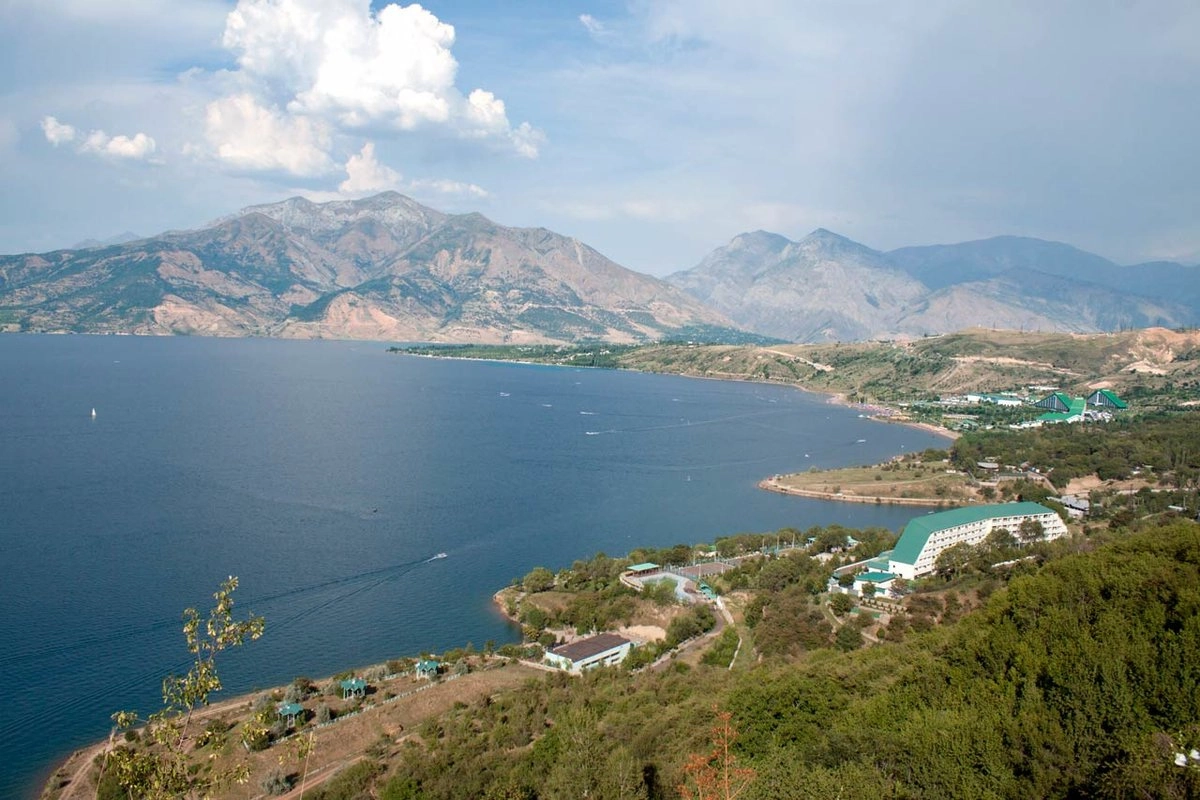
A good introduction to the countryside, with viewpoints beside the reservoir and a walk on a suitable mountain trail. For a hike in Ugam-Chatkal National Park, choose your route and the level of exertion in advance.
Swap the Registan for riverside vegetation, shady trees and birdsong. For a short visit, choose one of the nature trails ranging from 1 to 5 km. Confirm the entrance currently in use, any guide arrangements and the section open to visitors before arranging transport.
Jeyran Breeding Centre will appeal to anyone interested in desert animals and their conservation. Check visitor arrangements and which excursion route is available before you go. For a relaxed break by the water, consider Tudakul in neighbouring Navoi Region.
Staying overnight gives you time for an unhurried walk and an early morning in the mountains. Zaamin National Park lies beyond the town of the same name: give your driver the exact accommodation address or trailhead. A visit to the park's tourist area does not include access to the neighbouring nature reserve.
Take a 2–3-day detour to a Nuratau mountain village for walking, or follow a route through Nurata, a yurt camp and Aydarkul. Allow longer if you want to combine both. Nurata town, the Nuratau Mountains and Nuratau Nature Reserve are separate destinations, so give each the time it needs.
For riverside scenery, consider an approved visitor route in the Lower Amu Darya Biosphere Reserve. Sudochye offers birdwatching, while an Aral Sea journey reveals desert landscapes and the scale of the changing shoreline. These are separate outings. An Aral Sea trip usually includes an overnight stay and transport suited to unpaved roads.
These areas protect natural habitats and rare wildlife. When planning a visit, find out where excursions are possible and where separate arrangements are needed. Wildlife sightings depend on the season, time of day and a little luck.
Protected mountain landscapes with forests and high-altitude areas. Visits require prior approval. For a day out from Tashkent, an authorised visitor trail in Ugam-Chatkal National Park is usually a more practical choice.
Known for its juniper forests and mountain scenery. Check where your route goes when planning a stay in Zaamin: the nature reserve and Zaamin National Park are separate protected areas.
Protects mountain ecosystems and Severtsov's sheep. Most leisure trips to the area focus on nearby villages and walking routes. Visits to sites within the reserve, including visitor attractions near Hayat, need separate arrangements.
High mountains, gorges and wooded slopes reward travellers with time for a longer journey. The area around Gelon can be a starting point for exploring the surroundings. Arrange entry to the reserve in advance and choose a walking route that suits your group's fitness and experience.
Protects mountain habitats of the Bukhara urial and markhor. Zarautsay, with its rock paintings in the buffer area, is of particular interest to visitors. Check access, guide arrangements and road conditions before setting out.
Combines tugai woodland and desert habitats. This is a distinct protected area beside the river; a typical trip into the Kyzylkum dunes or to a yurt camp does not take you here. Visits require an agreed route.
Protects desert ecosystems in the Kyzylkum. Consider it for a specially arranged journey, after checking whether visitor access is possible.
Tugai forest and a conservation area for Bukhara deer. Ecotourism is provided for in the buffer zone, while the core protected zone has separate access rules. For a trip from Nukus or Khiva, agree on the visitor area and any guide arrangements in advance.
A national park can contain both visitor areas and strictly protected zones. These destinations offer different experiences, from a short walk near Samarkand to remote mountain and desert journeys.
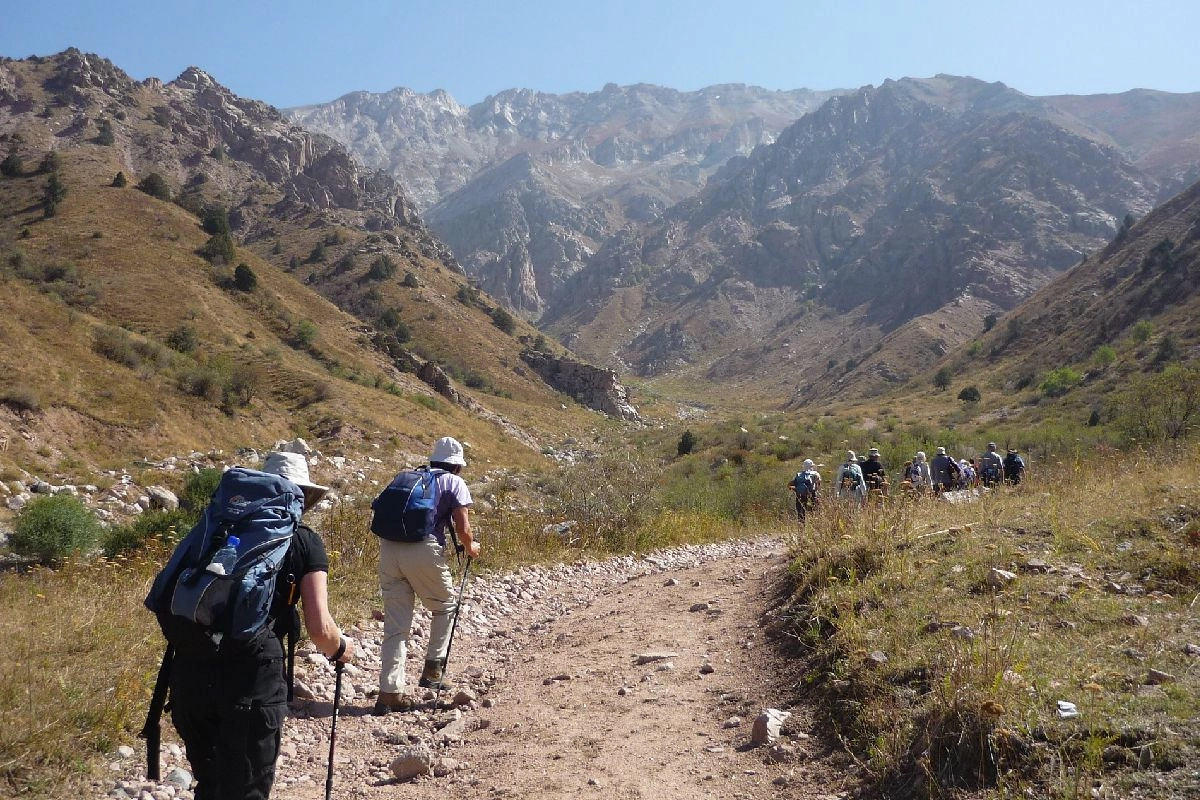
An option for exploring the Western Tien Shan from the capital. Choose anything from a short walk to a full hike, depending on your time and experience. For remote valleys, check access, phone coverage and whether a guide is needed in advance.
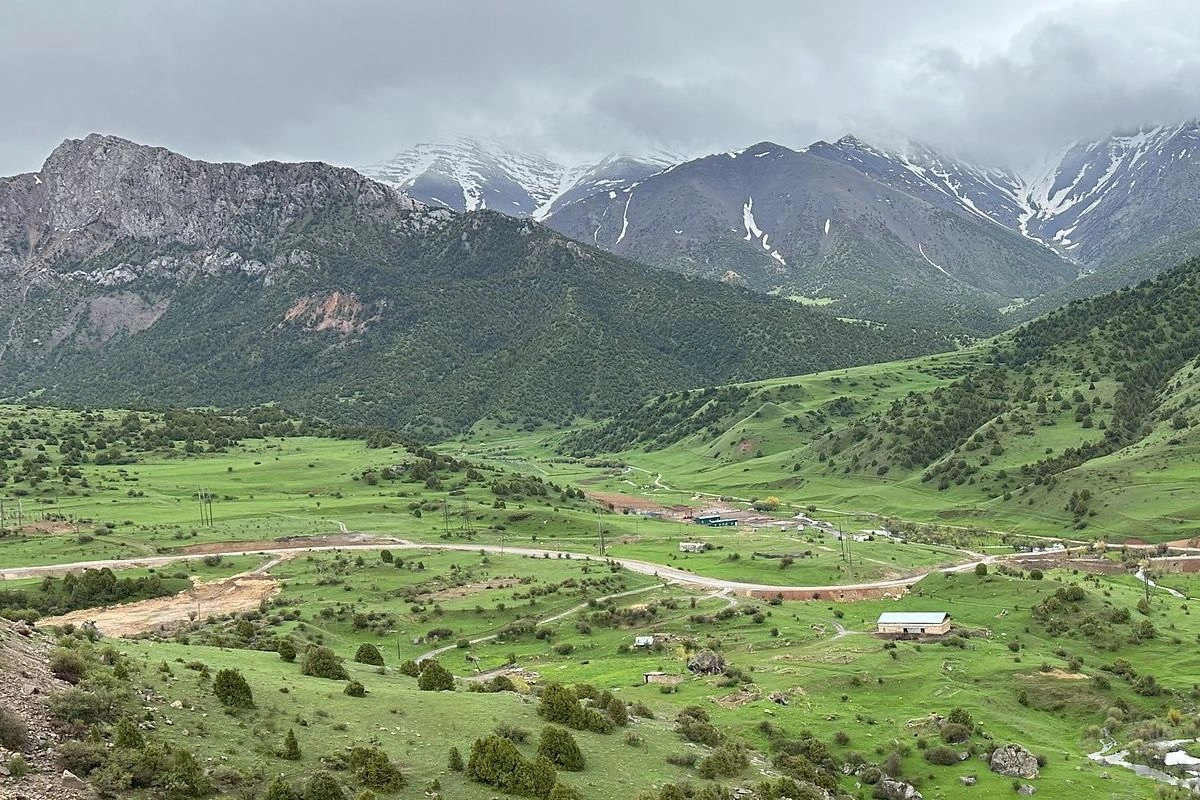
Juniper-covered slopes and mountain views suit both relaxed stays and days on foot. Choose accommodation close to your preferred trail: the distance to Zaamin town alone does not tell you how long it will take to reach the mountain part of the park.
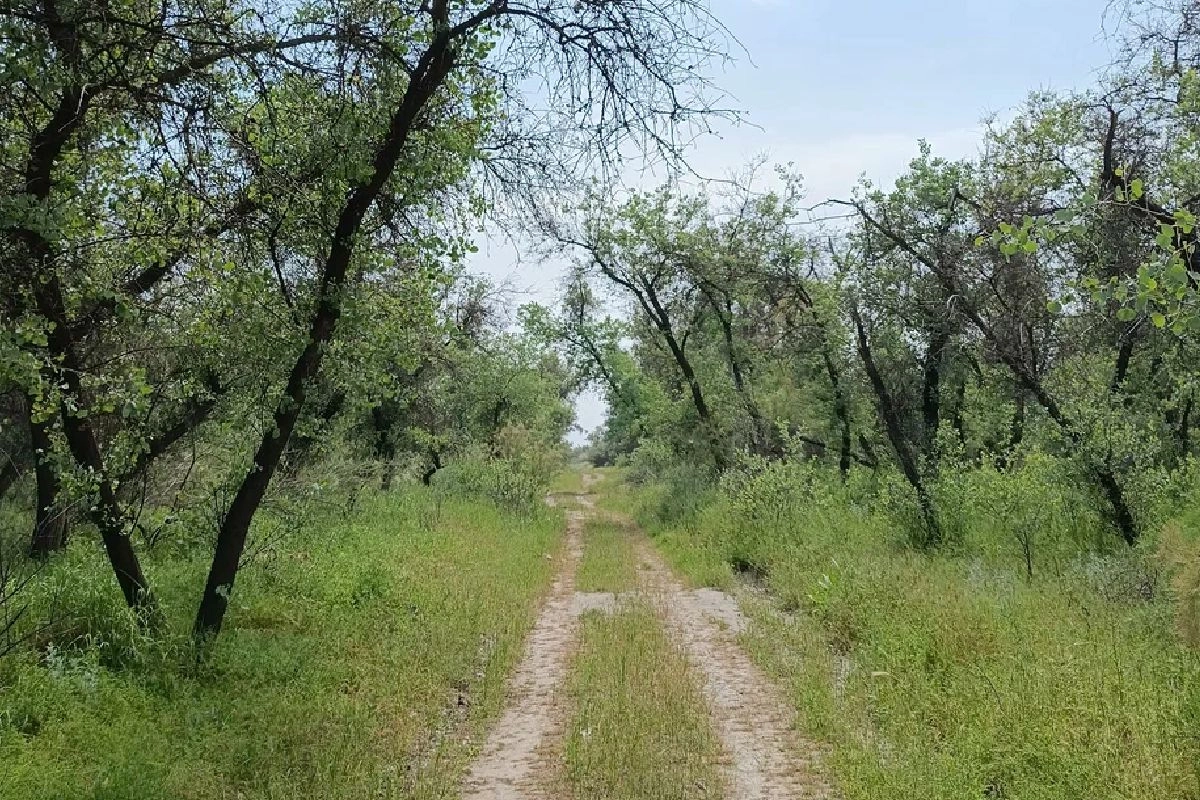
Nature trails from 1 to 5 km introduce the river valley's habitats. Walk slowly, listen for birds and look closely at the vegetation beside the water. An early start is worthwhile for wildlife watching.
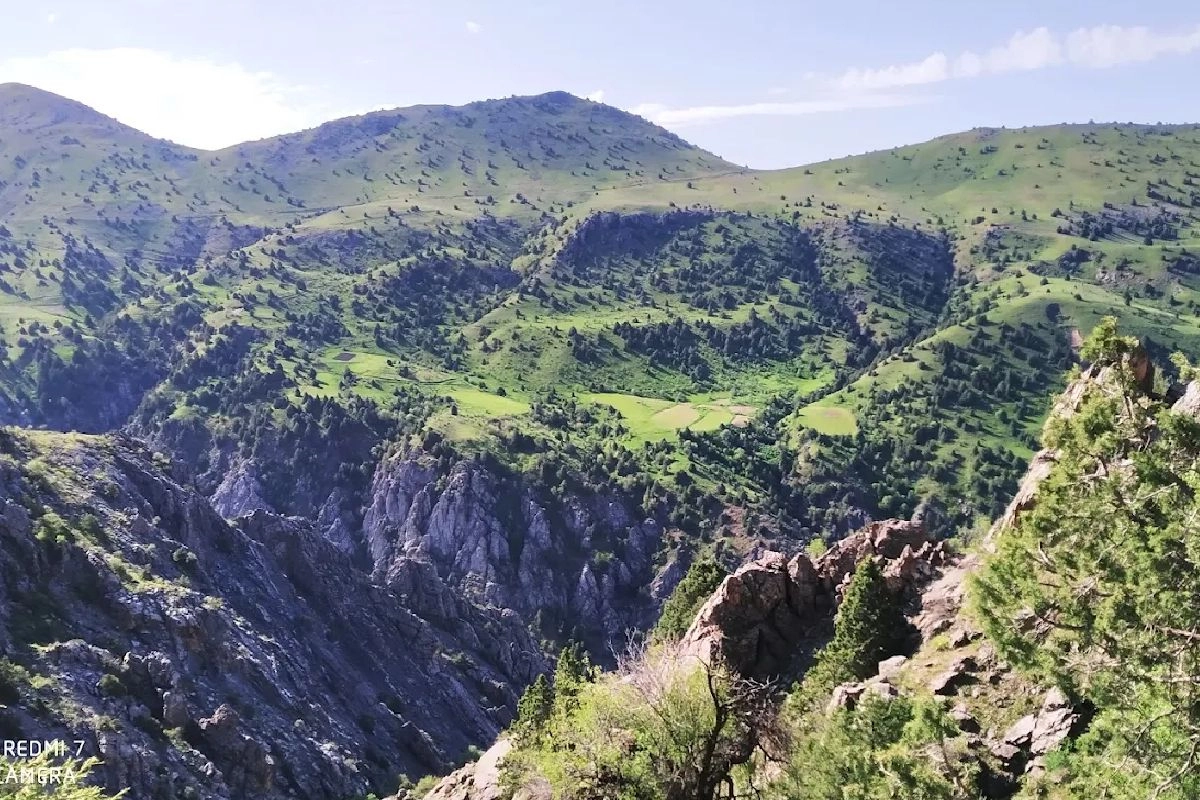
A destination for ancient rock formations and the history of the Earth. Established from the former Kitab Geological Reserve, it still appears under its old name in some guides. Arrange a geological excursion beforehand to get more from your walk.
A possible addition to a visit to Khiva for a closer look at tugai habitats. The park consists of several separate areas, so choose a specific visitor site before working out driving and walking times.
A mountain destination for travellers spending more time in the south of Uzbekistan. Your route will depend on road conditions, the season and current restrictions. Arrange accommodation and a guide before arriving in the area.
Allow plenty of time and travel with a driver who knows the local roads. The Ustyurt Plateau extends far beyond the park boundaries, so ask which areas your itinerary covers when booking.
A protected area on the dried bed of the Aral Sea. Arrange entry and the places you intend to visit in advance. Muynak's ship cemetery, Aralkum National Park and the sea's present shoreline are separate destinations.
For a less familiar route, consider Priaralye National Park near Lake Davutkul, Central Kyzylkum National Park in Navoi Region or Pap National Park in Namangan Region. First check which excursions are available and how to get there; a name on the map is only a starting point.
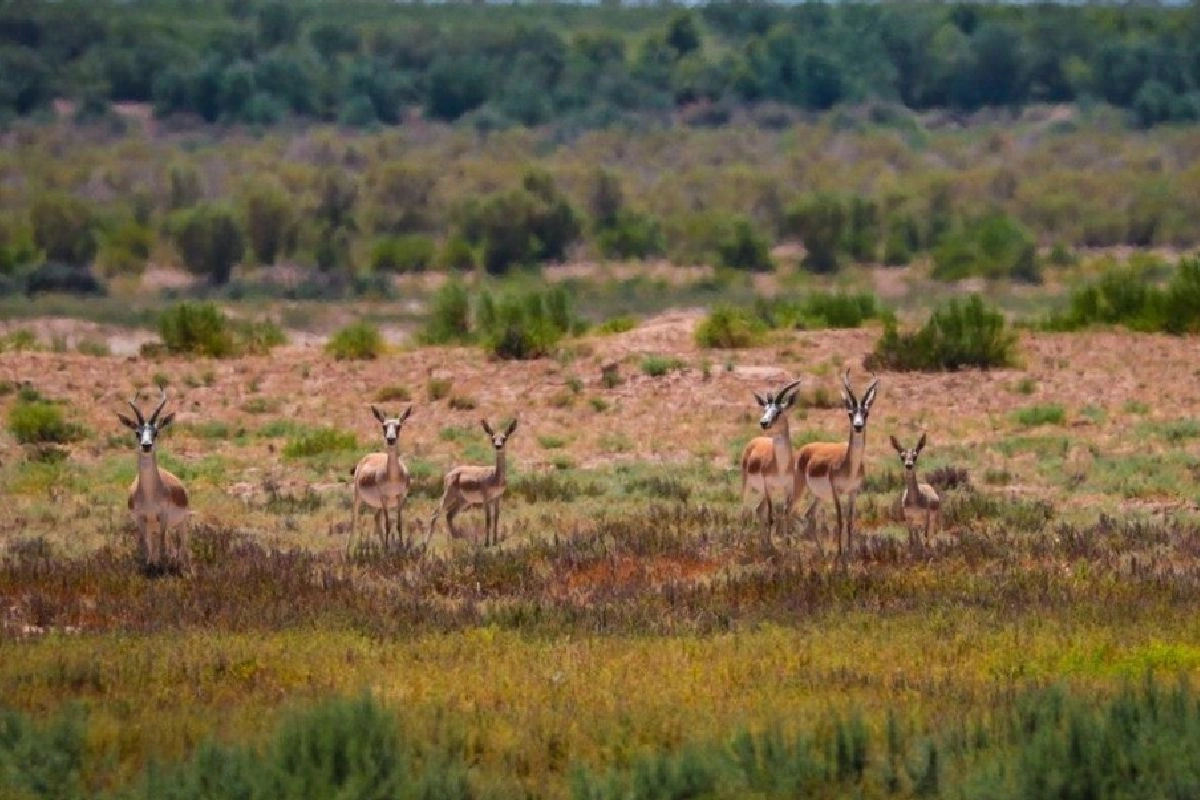
This specialist breeding centre lies between Kagan and Karaulbazar. Visitor options include walks beside the enclosures, walking routes and vehicle excursions. Before travelling, ask which is available on your date, how long it takes and whether it is suitable for children.
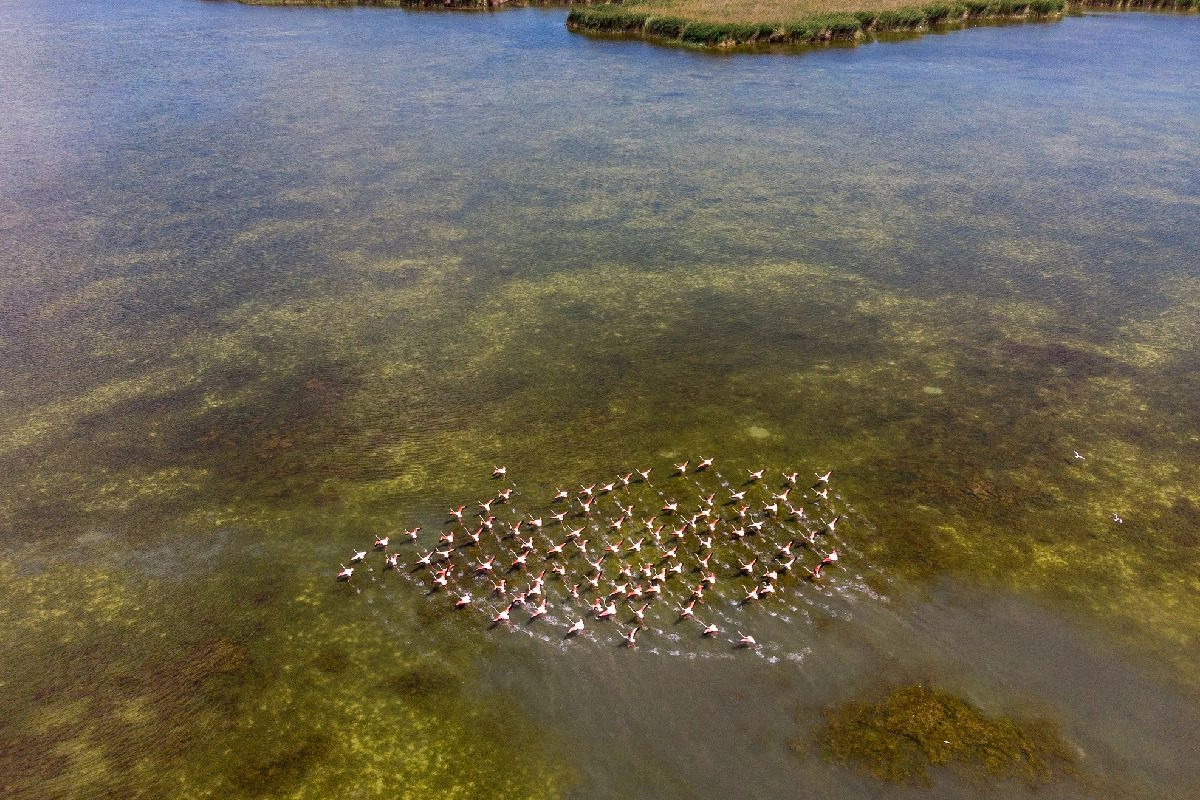
Lakes and reedbeds attract waterbirds. Choose an accessible viewpoint around the Sudochye lake system and plan for the right season. Migration periods can be particularly rewarding for birdwatching.
Combine Aydarkul with Nurata and a desert journey, or visit Tudakul for a break after sightseeing in Bukhara. For swimming, choose a designated beach that is open and check conditions on arrival.
A remote protected area for a specially organised trip. It is separate from the reserve of the same name in Kazakhstan. Visitor access, transport and stopping points all need to be arranged in advance.
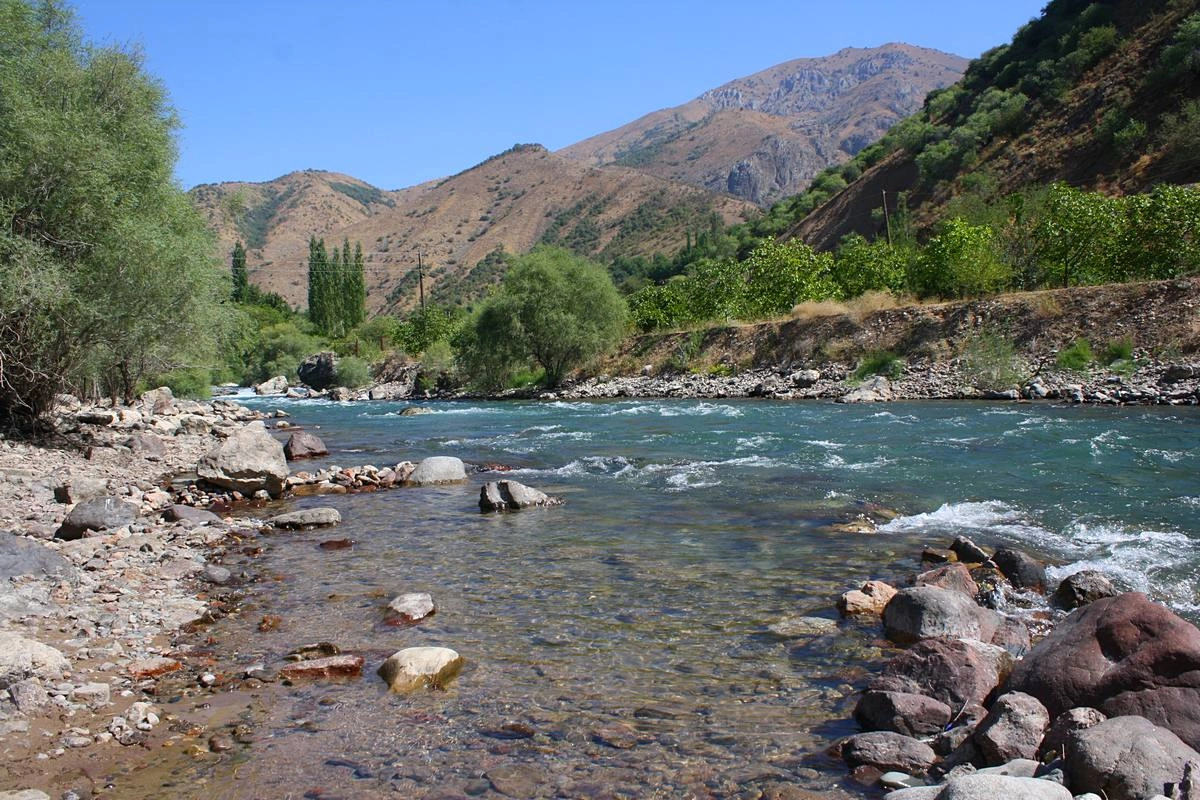
Flowing rivers, rocky banks and scenic stops on the road to Charvak. Enjoy the views from beside the road or add a walk that suits your fitness.
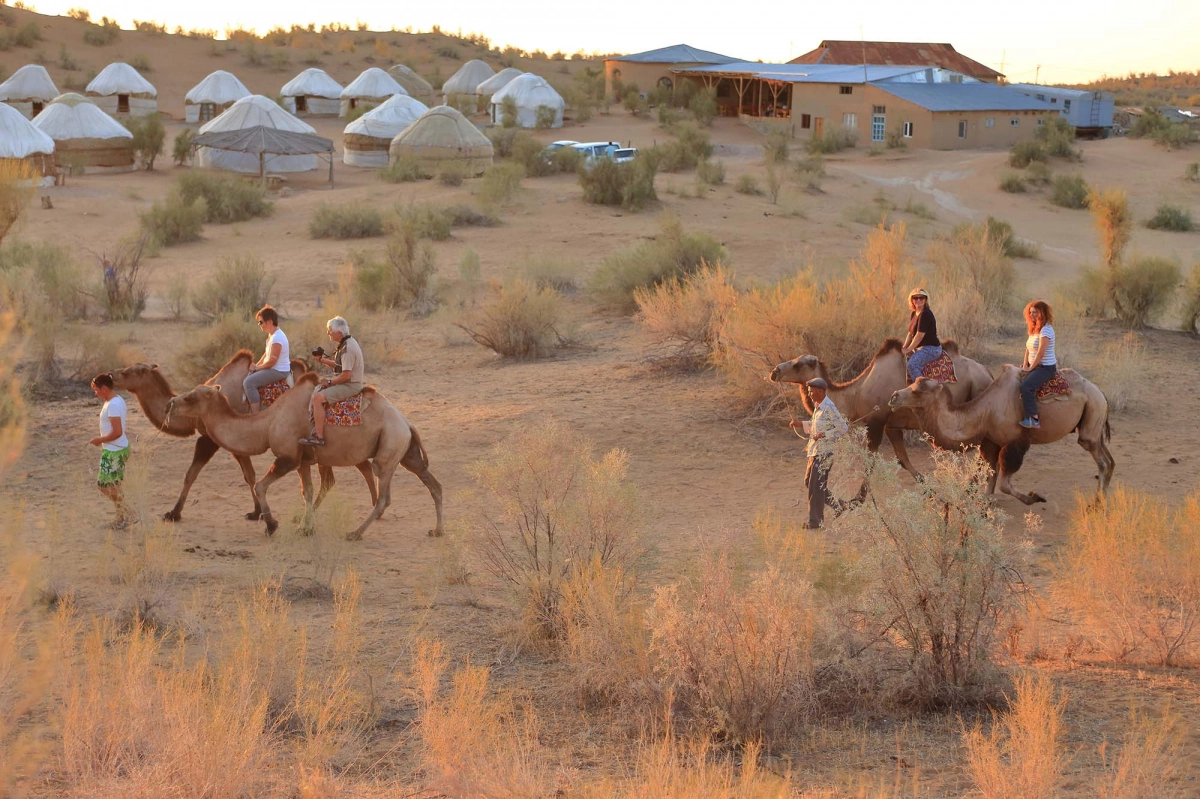
A yurt camp gives you more than a few hours to experience the desert. Before booking a night, ask about heating or ventilation, bathroom facilities and sleeping arrangements.
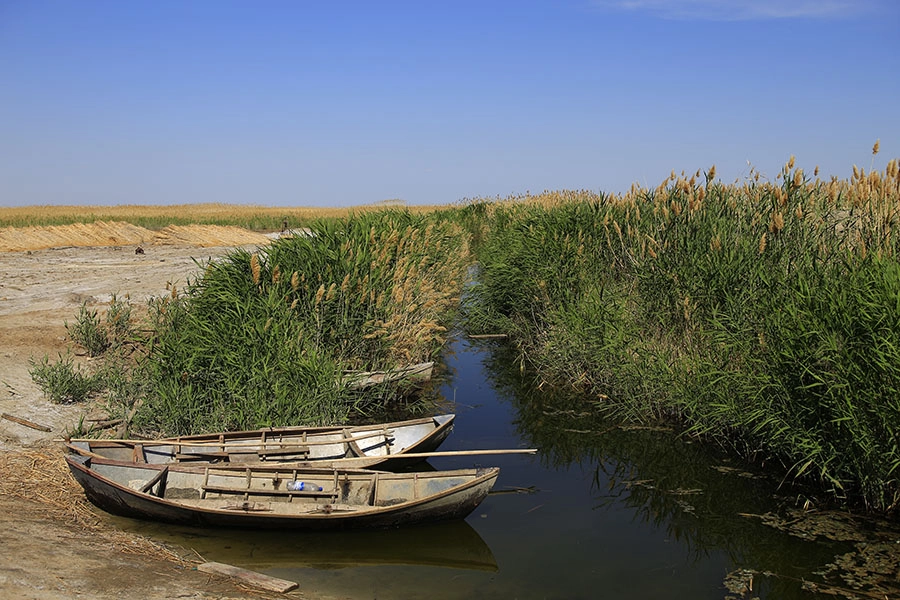
Reeds, water and boats along the route through Urga and Sudochye. Allow time for a quiet stop with binoculars if you would like to watch birds.
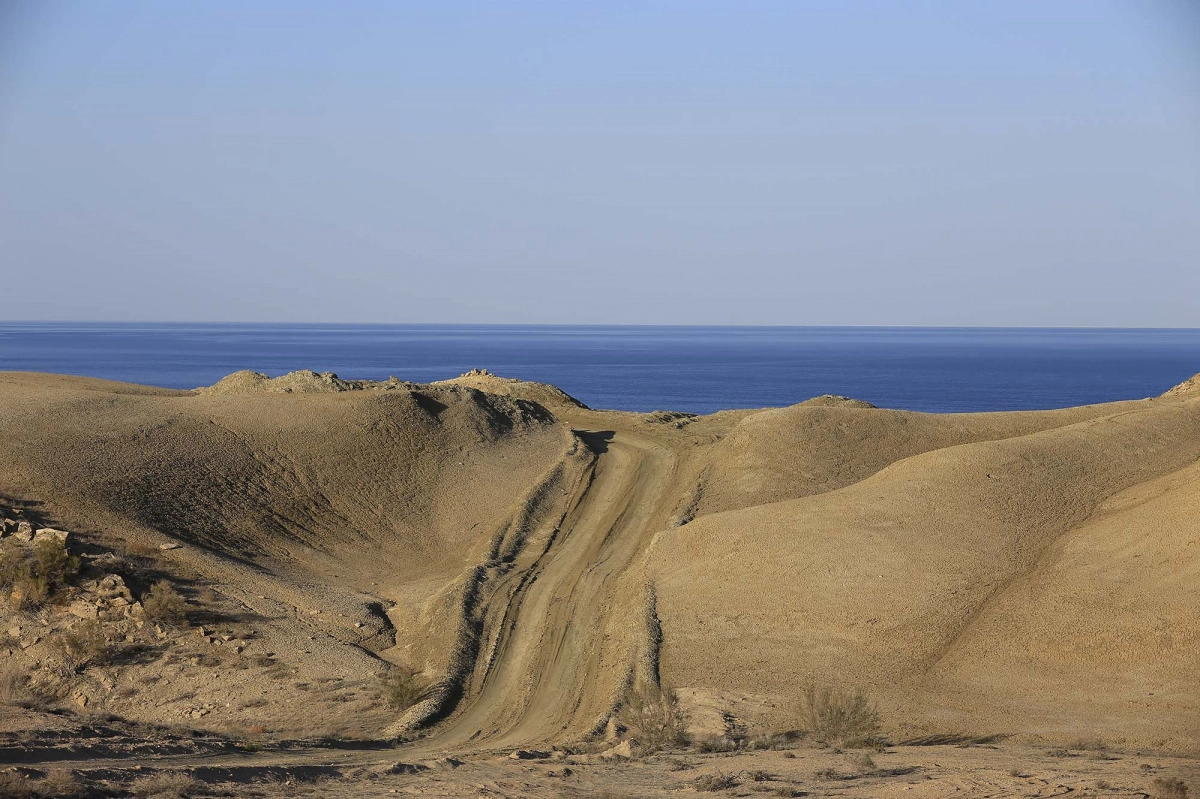
Desert meets water, and the journey becomes part of the experience. The shoreline changes, so the approach is chosen according to current conditions.
A good season for foothills, desert landscapes and migrating birds. Unpaved roads can be difficult after rain, and snow still lies in the high mountains.
Suitable for many mountain routes when the weather is favourable and trails are open. Deserts and lowlands can be very hot: walk early in the morning and choose longer hikes with care.
A good time to combine city sightseeing with nature, including the Kyzylkum Desert and the Aral Sea region. Daylight hours grow shorter, and nights in the mountains and desert can be cold.
Snow makes the mountains beautiful, but access to summer trails changes. For a relaxed outing, choose places with facilities that are open. Skiing and winter walking require different preparation.
Find out where to enter, how to obtain permission, which documents to bring and the condition of the approach road. For remote and border areas, requirements need to be checked for your exact route and each traveller's nationality.
Ask about walking time, elevation gain, shade, toilets and drinking water. If travelling with children or someone with limited mobility, discuss the trail surface and options for a shorter walk beforehand.
Bring water, a sunhat, sun protection, shoes with good grip and an extra layer of clothing. An offline map, a charged phone and a power bank are useful for remote outings.
Pitch a tent only where camping is permitted. Take your rubbish away, leave plants untouched and do not feed wildlife. Check the rules for fires and drone use in advance.
Entry to a state nature reserve requires permission from its administration or the responsible authority. In a national park, whether you can walk independently depends on the zone and route. Check the visitor rules for your chosen destination before you travel.
From Tashkent, consider Charvak and a manageable mountain walk; from Samarkand, a prearranged visit to Zarafshan National Park; from Bukhara, Jeyran Breeding Centre or Tudakul. Allow extra travel time and choose one main destination.
Yes, when the route suits the child's age and usual activity level. Start with a short walk that is easy to reach by road. Check for shade, toilets, water, barriers near steep drops and the option to turn back early.
That depends on the trail and the area's rules. A local guide is a sensible choice for unfamiliar, remote or high-altitude routes. Ask about the walking time, elevation gain and the plan if the weather deteriorates.
Jeyran Breeding Centre, the Lower Amu Darya's tugai forests and the Sudochye lakes offer opportunities to watch animals and birds. Sightings of a particular species cannot be guaranteed. Binoculars, quiet observation and the right time of day all help.
Swim only where it is permitted and conditions are safe. Choose a designated beach and check current restrictions. Access to the shore at Charvak, Aydarkul or Tudakul does not necessarily mean swimming is allowed there.
Only where the area's rules allow it. Check the permitted camping site, access to water, rules on fires and whether registration or a permit is needed. An open space beside a trail is not automatically a campsite.
In Muynak, you can see old ships on the former seabed. Reaching the sea's current shoreline means continuing along remote roads and usually requires a separate itinerary with an overnight stay. Check whether your tour actually reaches the water.
The cost depends on transport, group size, the route, guide arrangements and overnight stays. Your quote should clearly explain entry fees, permits, meals and optional activities. Request a price for your dates and a list of included services.
Check the forecast and road access before departure. Thunderstorms, extreme heat, snowfall or difficult trail conditions may call for a shorter outing, an easier route or a change of date. Discuss possible alternatives when booking.
Tell CAJ your departure city, dates, group size and how much walking you are comfortable with. We can help you choose a route, transport and a guide, and check visitor arrangements for the places you would like to see.
A day trip from Tashkent with mountain scenery and views of the reservoir. An easy way to add a day in the countryside to your time in the capital.
This itinerary combines the historic cities with Nurata, Aydarkul and a yurt camp. Take a look at the programme to see whether the pace suits your travel plans.
A trip from Nukus for travellers who want to reach the sea and spend a night away from the city. The itinerary explains the stops and overnight accommodation.
A longer journey through the Aral Sea region. Compare the route and driving stages with the shorter two-day option.
Once you have chosen your main route, it is easier to add a day in the countryside. Explore Tashkent's sights, plan 1–2 days in Samarkand and discover what to see in and around Bukhara.
For western Uzbekistan, see our guides to Nukus and the Aral Sea region and Khiva. A nature trip in the south can be combined with a visit to Termez.
For park administration contacts and information about natural areas, visit the Uzbekistan protected areas portal. Check that your chosen route is accessible before travelling.