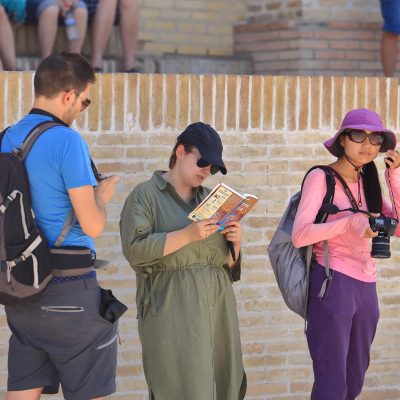
The Silk Road in Uzbekistan: Cities and Routes

Silk Road travel through Uzbekistan

The Registan, trading domes and the quiet streets of Khiva

Spend a morning studying the mosaics of Samarkand, step beneath the trading domes of Bukhara, then linger in a quiet Khiva lane after your guided walk. A Silk Road journey comes to life through these encounters with cities, craftspeople and the history around you.

Samarkand, Bukhara and Khiva make a rewarding first trip. Tashkent fits well at either end of the journey, while the Fergana Valley and Termez offer more time with crafts or archaeology.

Historic citiesSilk and craftsRail journeys and city walks
7–8 days
for a first visit
10–12 days
to explore further
Start with the places you most want to see
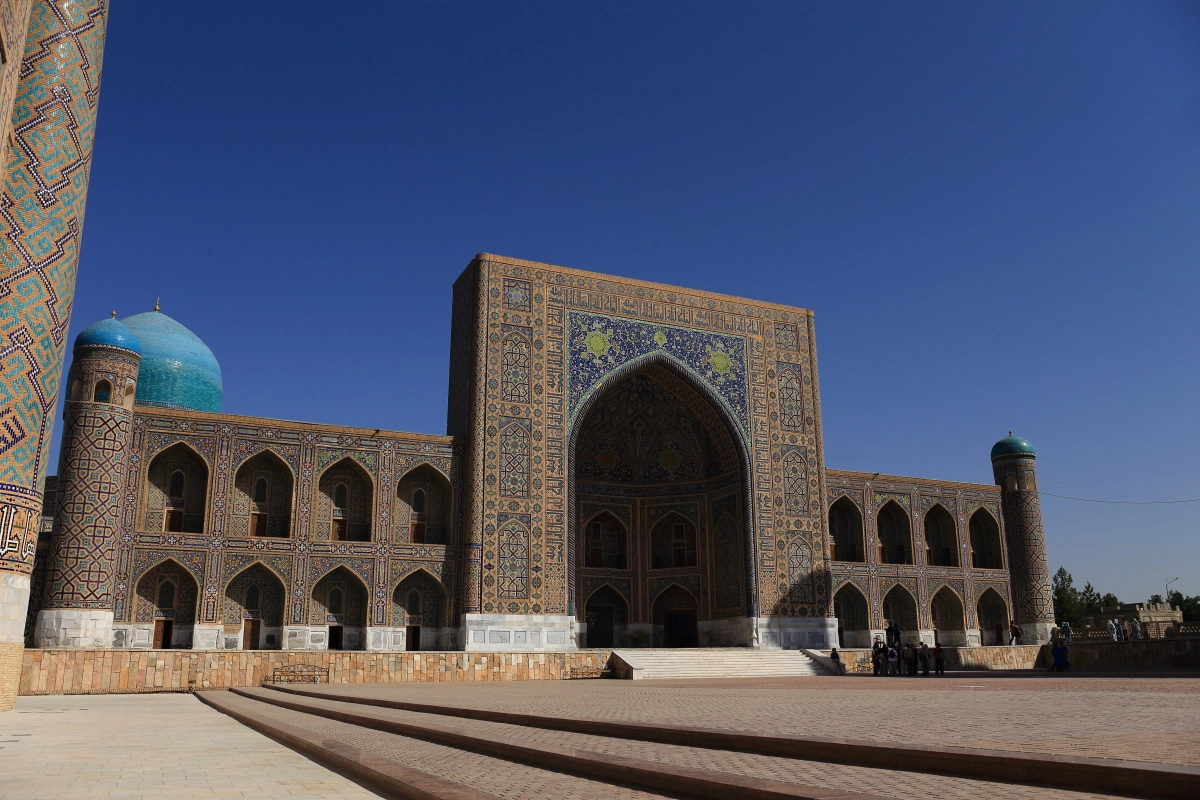
Façade of Tillya-Kari Madrasa on Registan Square in Samarkand
Tillya-Kari Madrasa on Samarkand’s Registan Square, a highlight of a first visit.
Find a route for the time you have →

Uzbekistan and the Silk Road

The oases of present-day Uzbekistan connected trading routes between East and West. Caravans replenished their supplies, merchants struck deals, and craftspeople and travellers brought new knowledge. Each place had a role: a major city bazaar, a river crossing, a craft centre or a stopping point on a desert road.

You can trace this history from the ancient site of Afrasiab to the trading domes of Bukhara and the gateway of Rabat-i-Malik. Pairing a celebrated architectural ensemble with a museum or caravan stop helps reveal the people and everyday lives behind the façades.

Silk Road itineraries: how many days do you need?

These are suggested itineraries for a journey today, rather than a reconstruction of one caravan’s route. Durations are approximate and include travel between cities. Arrival and departure times affect how much sightseeing you can fit in, and the order of stops can be adjusted around flights and ticket availability.

3–4 days: Samarkand and Bukhara

A short break Two historic cities

A good option if you are already in Uzbekistan or have conveniently timed flights. Divide your days between the two cities and allow time for the journey between them. With a late arrival or early departure, choose fewer sights so that the trip feels enjoyable rather than rushed.

7–8 days: Tashkent, Samarkand, Bukhara and Khiva

A first visit A full itinerary

The classic combination of the capital and three celebrated historic cities. Extend the trip to 9–10 days for unhurried evenings and a more relaxed pace. Allow enough travel time for Khiva; if you fly into Urgench, you will need a transfer to the city.

10–12 days: the main cities and the Fergana Valley

Crafts and city history More travel between stops

Combine the main historic cities with the Fergana Valley if you would like to meet craftspeople along the way. Set aside separate days for the valley: squeezing it between two major sightseeing days would make the itinerary too demanding.

Extend your trip: Termez and southern Uzbekistan

For archaeology enthusiasts Allow extra travel time

Choose the south for its Buddhist sites, archaeological museum and Islamic heritage, which reveal another chapter of the region’s history. Decide which places interest you first, then work out how many nights you need and how to connect them with the rest of your journey.

Uzbekistan’s Silk Road cities

Each city adds something different to the journey. Choose your stops around your interests, then use the individual city guides to plan your visits in more detail.
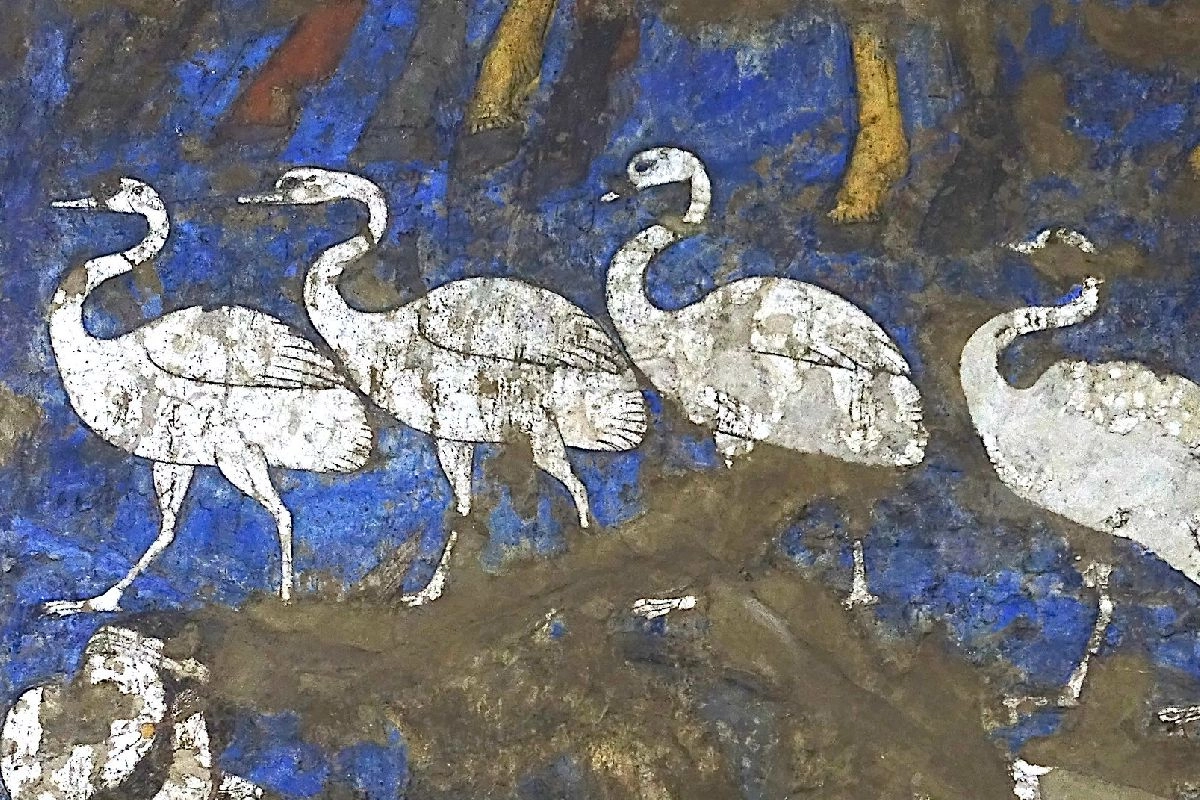
Detail of an Afrasiab wall painting with white birds on a blue background

Samarkand: the Registan and ancient Afrasiab

Monumental architecture · museums

Visit both the Registan and Afrasiab with its museum to explore Samarkand’s grand architecture and earlier history. At the ancient site, the landscape, archaeological remains and museum finds help you picture the city that once stood here. Explore more places to visit in Samarkand to complete your itinerary.
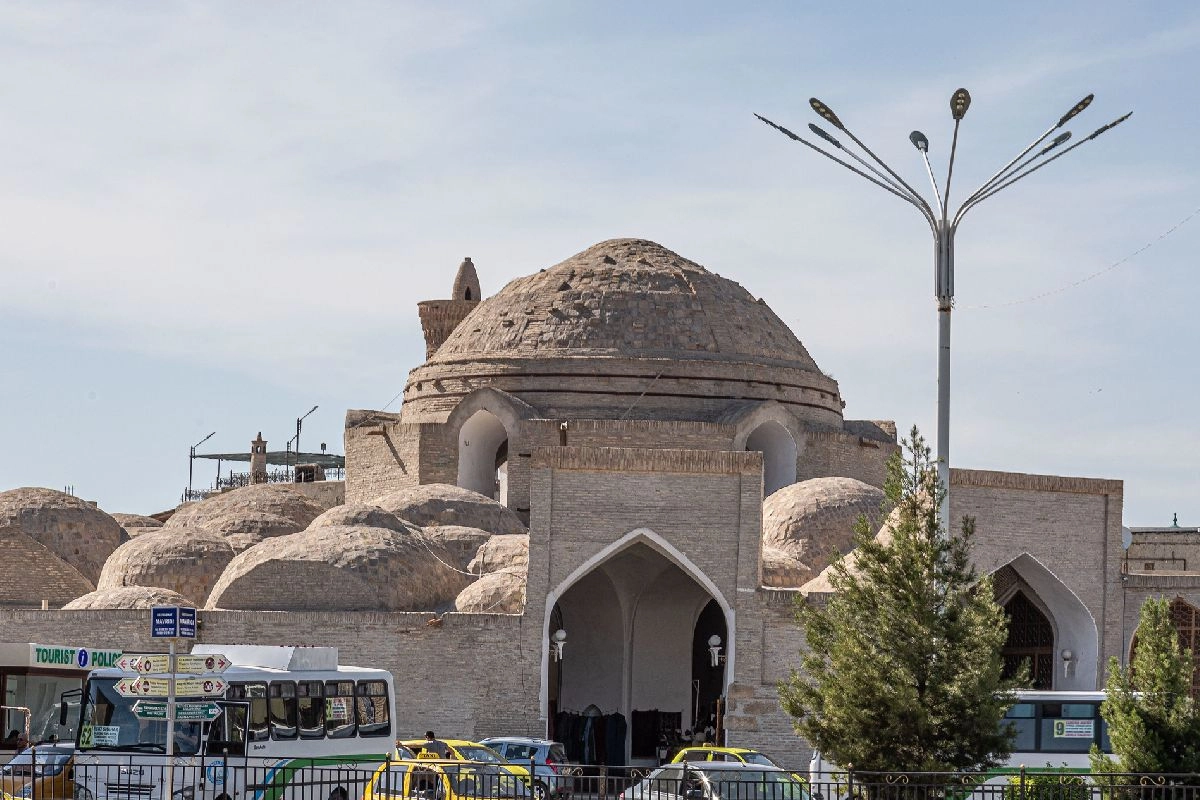
Trading dome and arched entrance in old Bukhara

Bukhara: trading domes and the old town

Walking · trading heritage

Bukhara’s trading past comes into focus beneath the domes of the old town. Walk between them, Poi Kalyan and Lyabi Hauz to see how the familiar monuments fit into the city around them. Many surviving landmarks date from the 16th and 17th centuries. Find more places to visit in our Bukhara travel guide.
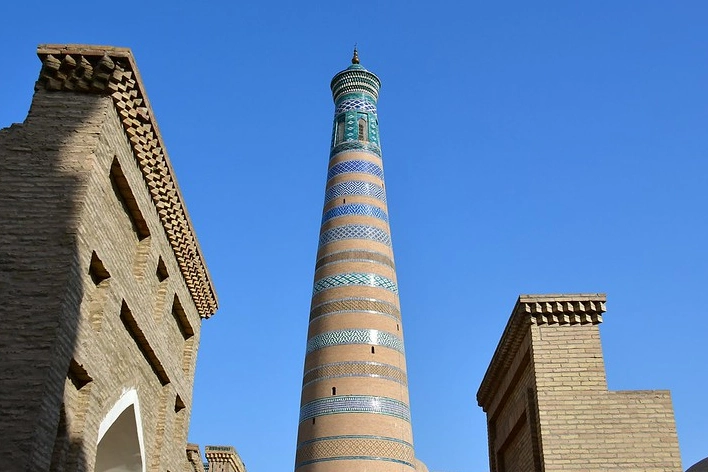
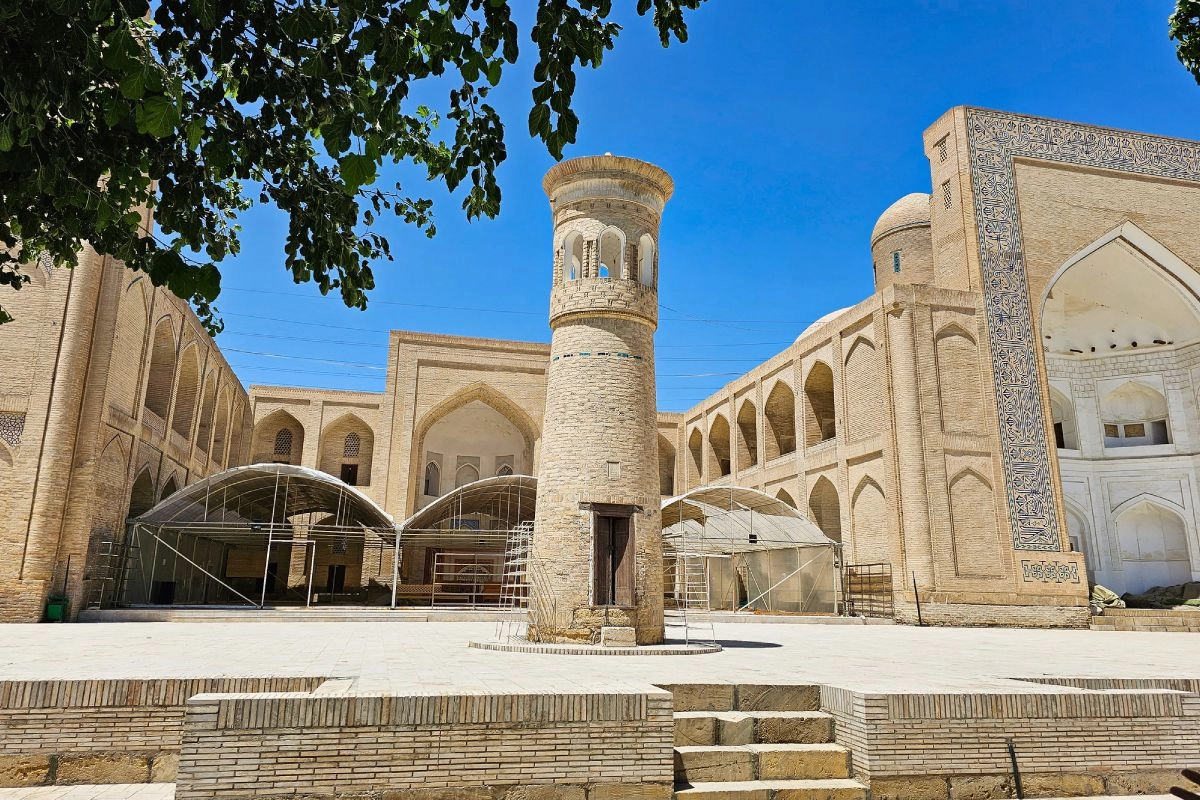
Islam Khodja Minaret among the brick buildings of Itchan Kala in Khiva

Khiva: a walk through Itchan Kala

Khorezm · a city within walls

Khiva brings the history of Khorezm into your journey. Inside Itchan Kala, palaces, madrasas and minarets stand alongside the wooden-columned Juma Mosque. The appeal lies in the whole townscape: move from a city gate to a square, then into a courtyard to appreciate it at different scales. Plan your visits with our guide to Khiva and Itchan Kala.
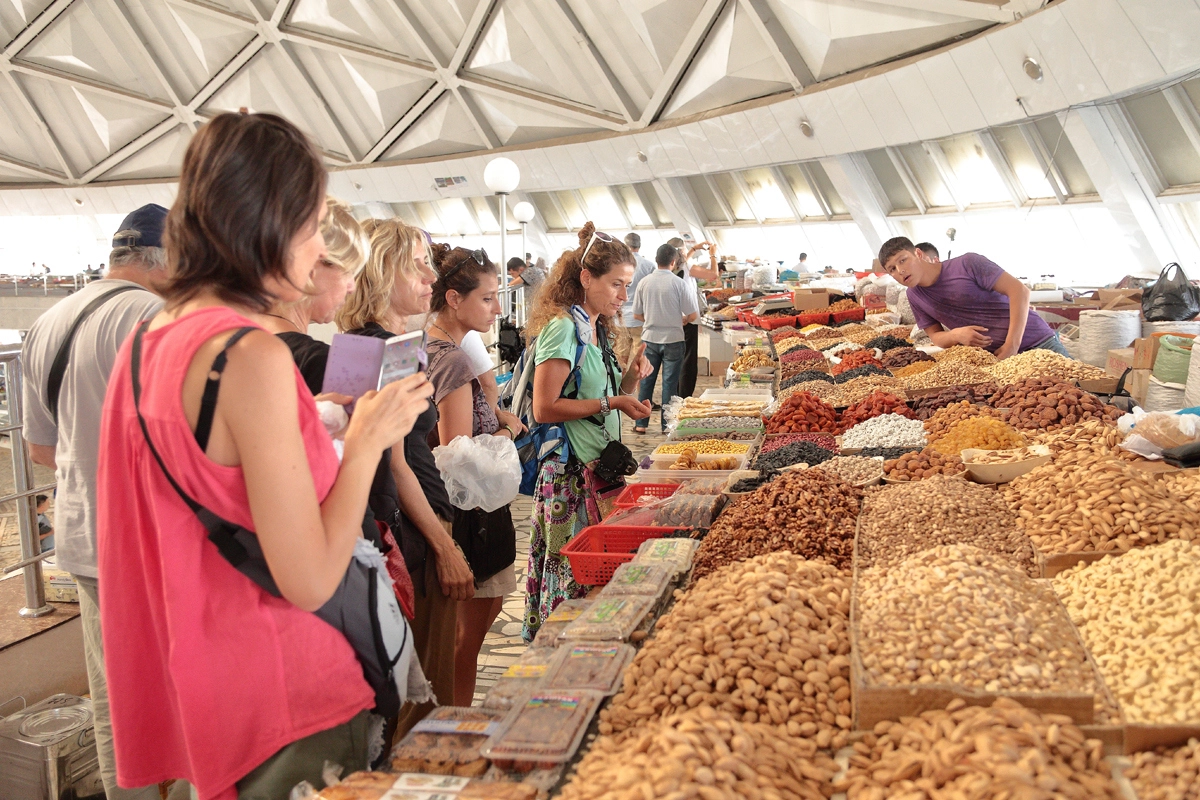
Stalls selling nuts and dried fruit at Chorsu Bazaar in Tashkent

Tashkent: the old town and a starting point

Tashkent oasis · bazaar and modern capital

Chorsu Bazaar and the old-town neighbourhoods offer an introduction to daily life in Uzbekistan. The oasis’s history is tied to the region of Chach and its trading routes; modern Tashkent adds museums, the metro and city walks to your trip. Plan your day with our Tashkent travel guide.
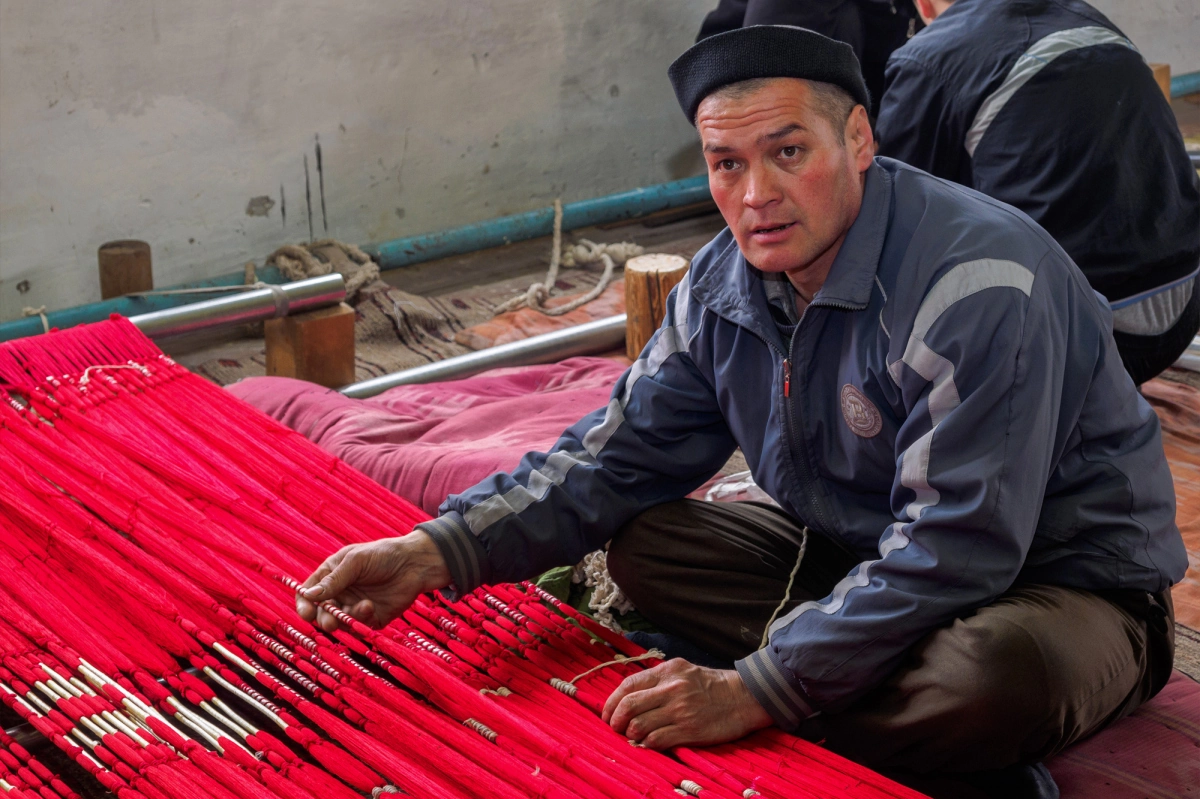
Craftsperson working with brightly dyed threads in a Margilan silk workshop

Fergana Valley: Margilan, Rishtan and Kokand

Silk textiles · ceramics · palaces

Discover atlas and adras ikat textiles in Margilan, ceramics in Rishtan, and city history and the Khudoyar Khan Palace in Kokand. These are separate towns, so spread the visits across your days. Decide whether weaving, a potter at work or architecture matters most to you, and allow enough time at the places you choose.
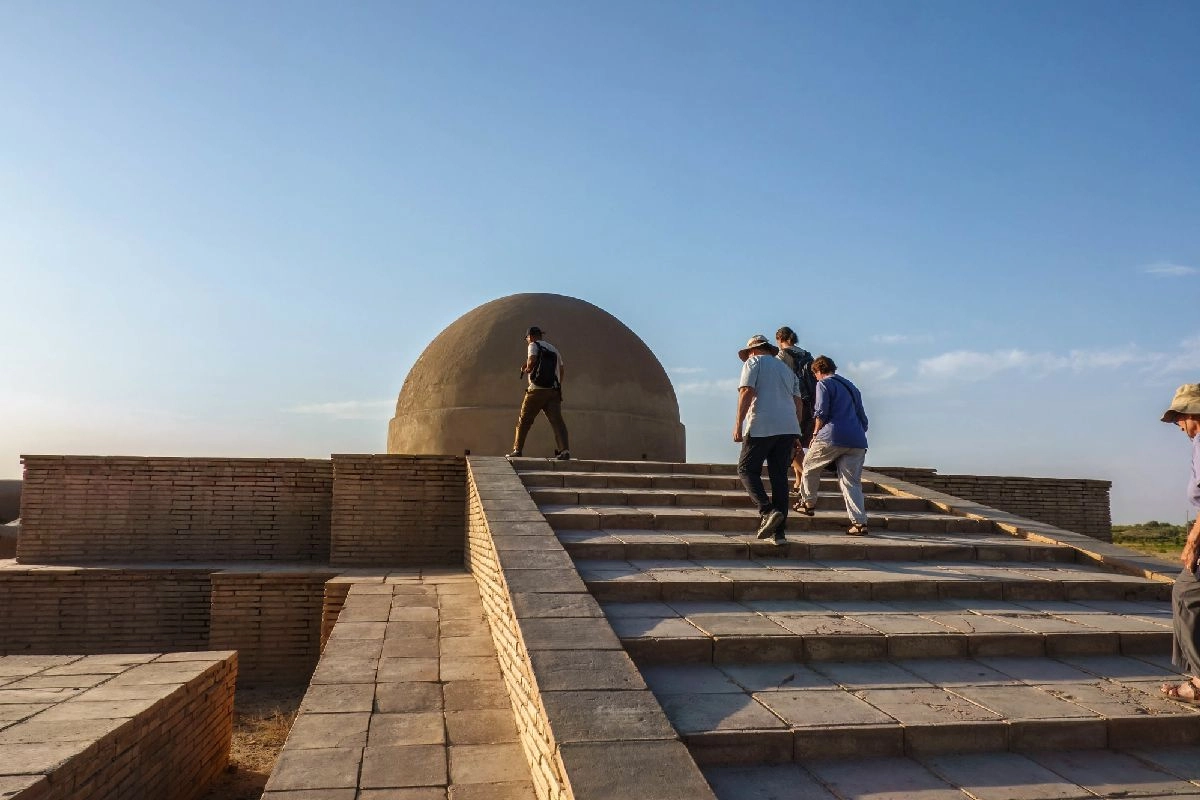
Visitors on the steps of an archaeological complex in Termez

Termez: archaeology and the heritage of the south

Ancient settlements · archaeology

Fayaztepa and other sites of ancient Termez tell the story of the region’s Buddhist heritage. Museum finds shed light on the old city’s daily life and artistic traditions. Check visiting arrangements and transport before setting out to individual sites; find more details in our guide to the historic sites of Termez.
A little history to enrich your journey

Why the Silk Road had many routes

The Silk Road was a network of routes. Water, safety and the importance of particular cities influenced the roads people chose, and trading connections changed over time. Goods could pass through several intermediaries, so their journey did not necessarily match that of a single merchant.

Where the name came from

The collective name “Silk Road” came into use in the 19th century through the work of German geographer Ferdinand von Richthofen. Silk was a famous and valuable commodity, but the trade also carried other textiles, spices, metals and crafted goods.

Where cultures met

Pilgrims, craftspeople and scholars travelled alongside merchants. Religions, knowledge, artistic practices and technologies spread with them. The Buddhist archaeology of Termez and the Islamic architecture of Bukhara belong to different periods in this long history of cultural exchange.

Why the monuments date from different periods

An ancient city’s foundation date does not tell you the age of all its surviving buildings. Samarkand has early urban remains as well as Timurid ensembles, while Khiva preserves striking architecture from the later khanates. Ask your guide both when a city was founded and when a particular monument was built.

Caravan heritage beyond the main squares

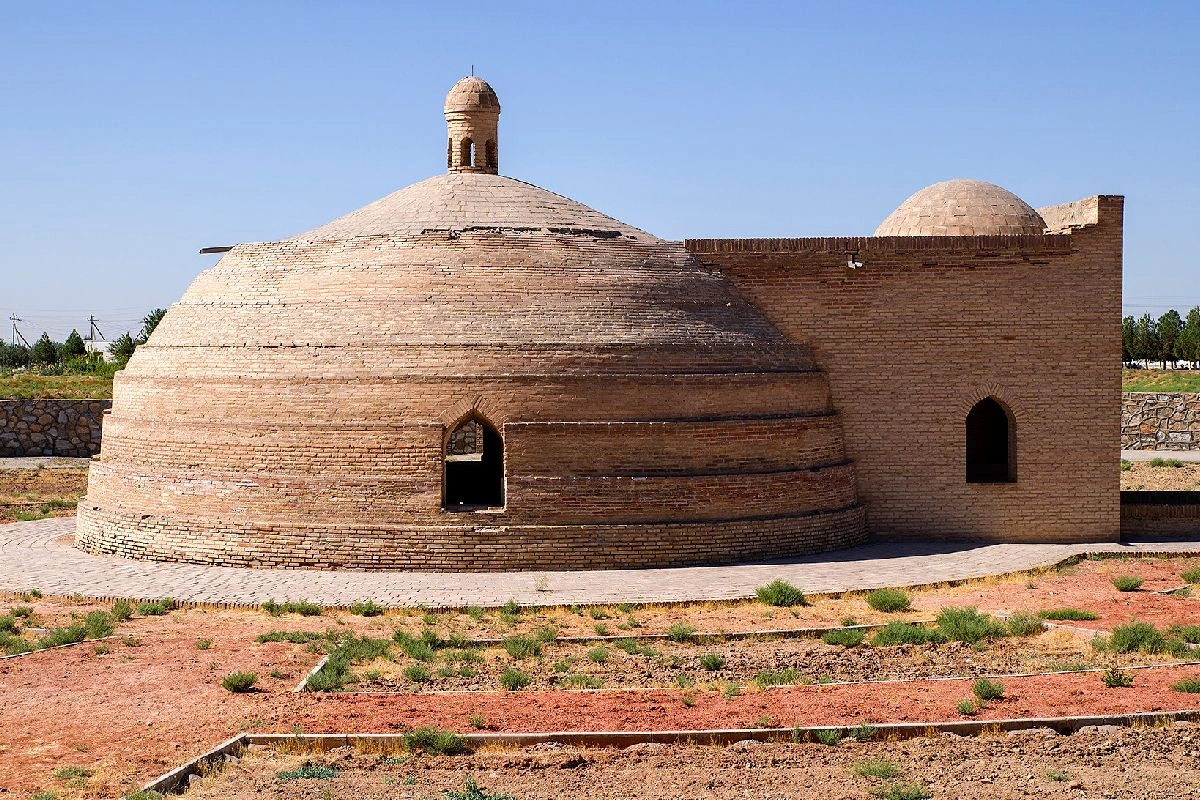
Domed sardoba water-storage structure near Rabat-i-Malik
The sardoba near Rabat-i-Malik

Rabat-i-Malik and its sardoba between Samarkand and Bukhara

A stop at the caravanserai gateway helps you picture what a long journey required: somewhere for travellers to rest and stay with their goods. The portal and archaeological remains survive. Nearby stands a sardoba, a covered structure for storing water. Seeing the two together makes it easier to understand the importance of water supplies along caravan routes.

Minaret and buildings of the Chor Bakr necropolis near Bukhara
Chor Bakr near Bukhara

The Zarafshan–Karakum Corridor

In 2023, the Zarafshan–Karakum Corridor was inscribed on the UNESCO World Heritage List. It brings together sites in Tajikistan, Uzbekistan and Turkmenistan, showing the importance of settlements and stopping places between the major cities.

Look beyond the façades

Understand how the old town worked

On a walk through Bukhara, ask your guide to connect the trading domes, madrasas and residential lanes: where did people study, trade and welcome visitors? Inside a madrasa, look at the courtyard and the small rooms around it. The layout helps explain the building’s original purpose.

Watch craftspeople at work

For an introduction to silk in Margilan, choose a visit that includes a production demonstration. Check which stages will be taking place on the day: preparing threads, dyeing or weaving at the loom. If you would like to try the craft yourself, arrange a practical session separately from the introductory visit.

Questions about travelling the Silk Road

Do I need to cross into another country?

No. All the stops described here are in Uzbekistan. A journey that also includes Tajikistan or Turkmenistan can be planned separately; you do not need to cross another border to explore Uzbekistan’s Silk Road cities.

Are all Silk Road places UNESCO World Heritage Sites?

No. A historical connection with trade routes does not automatically confer World Heritage status. The historic areas of Bukhara and Samarkand, Itchan Kala and the Zarafshan–Karakum Corridor have separate listings, each with defined boundaries. These do not automatically cover every monument in or around the cities.

Can I visit Rabat-i-Malik when travelling by train?

A normal train journey does not include a sightseeing stop at the complex. To visit the gateway and nearby sardoba, arrange a separate trip by car or travel by road between Samarkand and Bukhara.

Where can I see ceramics if I am not visiting the Fergana Valley?

Consider Gijduvan, near Bukhara. A pottery workshop visit can be discussed as part of a journey by road, and is included in some of the CAJ tours below. When making arrangements, check whether you will see a craftsperson at work or view finished pieces only.

When is a good time to visit the cities and archaeological sites?

Spring and autumn are usually comfortable for trips with plenty of walking. In summer, visit open squares and archaeological sites in the morning, leaving the middle of the day for a rest or a museum. In winter, allow for cold weather and shorter daylight hours; check the forecast before travelling.

Do I need a history guide for the whole journey?

No. You can book individual guided visits to archaeological sites and old towns, and explore independently at other times. If a particular period interests you, mention it when choosing your guide: Sogdian history, Buddhist heritage and Timurid architecture call for different areas of focus.

Tours through the Silk Road cities

Tell CAJ how many days you have, where you plan to arrive, and whether you are most interested in architecture, crafts, archaeology or nature. We can help put the cities in a practical order and arrange transport, accommodation and guided visits to suit your pace.

Plan your route with CAJ

Classic Uzbekistan — 8 days

Tashkent, Samarkand, Bukhara and Khiva. An introduction to the main cities, with sightseeing stops on the road journey between Samarkand and Bukhara.

Three Silk Road Cities — 7 days

Tashkent, Bukhara and Samarkand, with a visit to Gijduvan. A choice for travellers who want to focus on three cities and save Khiva for another trip.

Fergana Valley from Tashkent — 2 days

A busy introduction to the valley, including Kokand, Rishtan and Margilan. Before choosing this trip, compare the full list of stops and travel time with how long you would like to spend in the workshops.

CAJ.UZ ● AI Travel Assistant